


stories of impact: donors
Stories of impact: Community Grants
Stories of impact: Students
Giving Together for Lasting Change
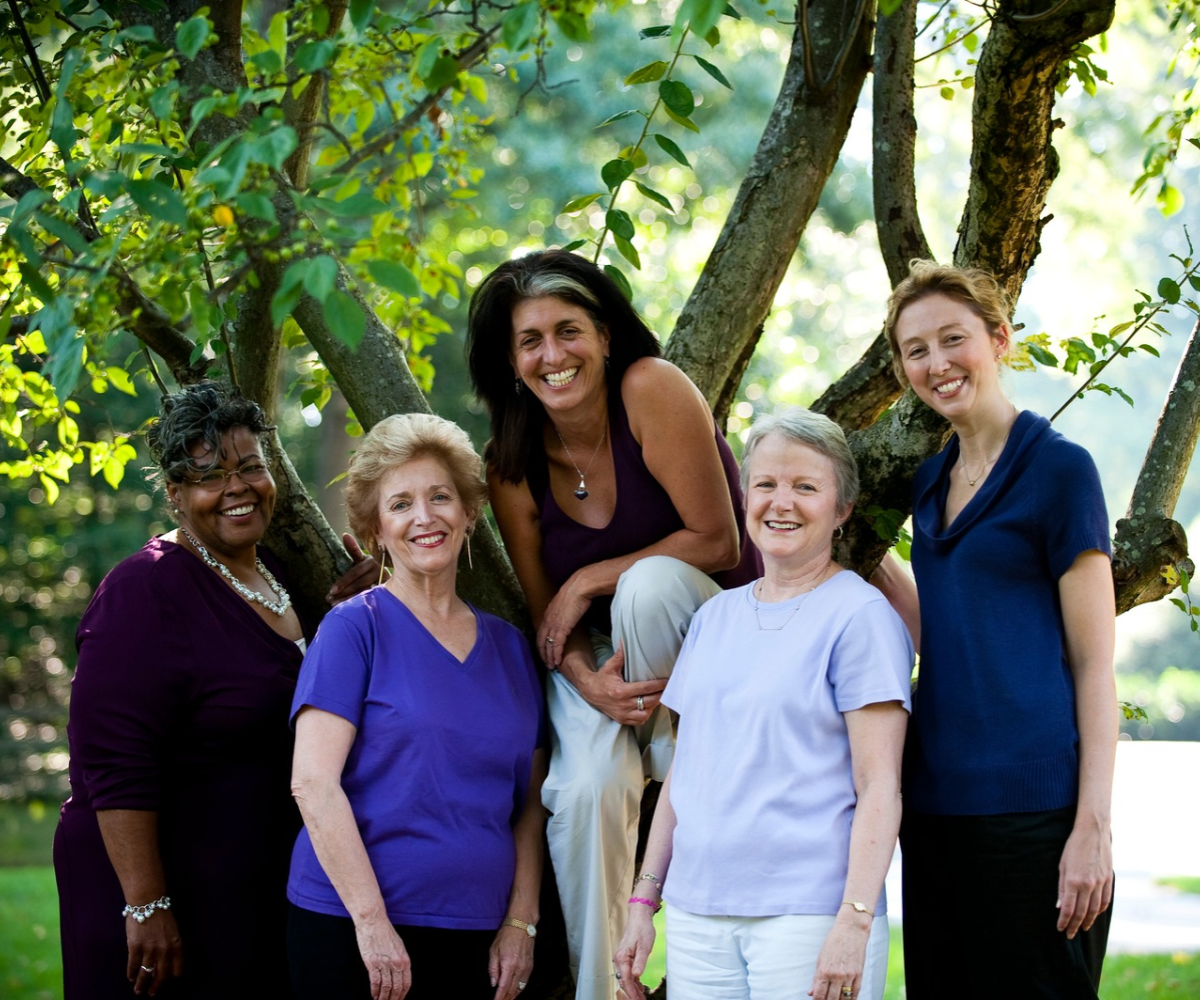
Founded in 2005, The Women’s Fund of Winston-Salem began with five friends—Janie Wilson, Sarah Holthouser, Mary Jamis, Lynn Eisenberg, and Michelle Cook—who believed that the community could work together to make a real difference in the lives of women and girls in Forsyth County. From that shared conviction came a simple but powerful idea: When people pool their resources, relationships, and voices, they can help shape a more equitable future together.
What started as a collective giving effort has grown into a lasting community of nearly 300 members from many walks of life—corporate and nonprofit leaders, educators, entrepreneurs, students, volunteers, advocates, and neighbors—united by the belief that everyone should have the opportunities, skills, and resources to be independent, self-sufficient, and fully engaged in community life. Members do more than contribute; they actively participate in the grantmaking process by learning about prospective grantees and ultimately voting to select the programs that will receive funding.
Over two decades, a shared commitment has translated into more than $2.6 million in grants to programs directly benefiting local women and girls. Investments have supported organizations working across the issues that shape economic security, from leadership development and education to basic needs, family stability, and health and safety. Just as important, the Fund has created a space where members learn together, listen to community voices, and use philanthropy as a tool for long-term social change.
The vision comes to life through the people and organizations The Women’s Fund has supported over the years. For Joy Nelson Thomas, founder and executive director of LEAD Girls of NC, it began with someone saying yes. “The Women’s Fund said yes to me before I said yes to them,” Thomas said. “They were one of the first foundations to support LEAD Girls. They believed in me when all we had was my vision.”

The Fund’s early support helped launch an organization that now empowers girls through leadership development, mentorship, and confidence-building programs. It also illustrates the ripple effect of The Women’s Fund’s approach: A grant can help an idea take root, but trust can help a leader and an organization grow. Today, Thomas serves on The Women’s Fund Advisory Board and co-chairs its Membership Committee, giving her a unique perspective on the organization’s continued impact.
“The Women’s Fund said yes to me before I said yes to them. They were one of the first foundations to support LEAD Girls. They believed in me when all we had was my vision.”
Looking back, she believes that early investment reflects the values that continue to shape The Women’s Fund today. “Trust has to happen to really get the work done,” she said. “It’s about giving people who are doing really good work a chance.”
Relationships built on trust continue to shape The Women’s Fund’s work today. Beyond grantmaking, the organization has expanded opportunities to listen, learn, and partner with the community, recognizing that mean ingful solutions are strongest when they are informed by the people closest to the issues. Over time, the Fund has become not only a source of financial support, but also a convener and hub for learning—helping its members better understand the barriers women and girls face and how collective action can make a difference.

One example is the 2026 Gender Lens report, which brought together research and community perspectives to help inform conversations about the challenges and opportunities facing women and girls across Forsyth County. Cat Mizzi-Orrell, director of communications at Forsyth Futures and a Women’s Fund Advisory Board member, was part of that collaborative process.
“Everything you see in the Gender Lens report is there because the community said it needed to be there,” Mizzi-Orrell said. “The story that’s been crafted spans many different lived experiences.”
For Mizzi-Orrell, the report reflects The Women’s Fund’s commitment to ensuring community voices help shape its understanding of local needs. Rather than assuming solutions, the organization has created opportunities for residents, nonprofit leaders, and community partners to help guide the conversation.
Thomas has seen that same commitment reflected in The Women’s Fund’s relationships with nonprofit organizations. Over the years, she has watched the Fund continue to simplify grant processes, strengthen partnerships, and create more opportunities for organizations to learn from one another. “You have to be willing to meet people where they are, build trust, and walk alongside them,” she said. “There’s been a real shift toward shared learning, and that’s impactful.”
That willingness to listen and learn together has become an important part of how The Women’s Fund approaches its work. Whether convening nonprofit leaders, supporting community-informed research, or investing in organizations with bold ideas, the focus extends beyond individual grants to building stronger relationships and creating lasting impact. In that way, the Fund’s history is not simply a record of dollars awarded; it is a story of members using collective giving to strengthen the systems, organizations, and relationships that help women and girls thrive.
Mizzi-Orrell believes that collaborative approach is what makes The Women’s Fund so effective. “The Women’s Fund can’t solve these issues on its own,” she said. “But because it’s willing to invest alongside the community, it becomes a catalyst that helps move the work forward.”
Twenty years after its founding, The Women’s Fund continues to invest in women and girls across Forsyth County with the same spirit that launched the effort in 2005: a belief that collective generosity can become collective power. Its impact is measured not only by the grants it’s awarded, but by the trust it has built, the partnerships it has strengthened, the leaders it has encouraged, and the opportunities it has created for people to shape the future of their community. Looking ahead, The Women’s Fund remains committed to investing in people, believing that lasting change begins by listening, learning, and working together.
